an evergreen climbing vine or cascading groundcover with showy leaves
leaves of this cultivar are a wavy solid green, with lighter green veins
this cultivar has a somewhat bushy yet trailing pattern of growth
green parts of the foliage may take on a reddish winter color when exposed to cooler temperatures in fall
reversions or new cultivar sports of shape and color are not uncommon in this species, and should be removed to maintain original qualities
ivy is an excellent subject for hanging baskets, both solo and in combinations
stems layer naturally or may climb rough surfaces in their vicinity
species can become invasive in some areas, when naturalized into the landscape
stems attach to rough surfaces with aerial roots, so this vine needs management if chosen for climbing along built structures
aerial roots damage surfaces by making cracks worse, but evergreen foliage also offers insulation; choose any site carefully
climbing stems hold tight to surfaces, and can be hard to remove once established
this vine becomes shrub-like if allowed to mature (having reached enough sunlight after more than a decade of growth), at which time it becomes able to flower and set seed
Regular maintenance pruning and less than sunny conditions will help keep it in a juvenile vining pattern of growth
for partial shade locations; species can tolerate full shade, as well as full sun, but variegation may be lost in too much shade
species can eventually reach 20-80’ high (climbing) and 3-50’ wide (groundcover), though variegated forms will grow much slower
species grows in zones 5-11, though variegated forms might be less hardy

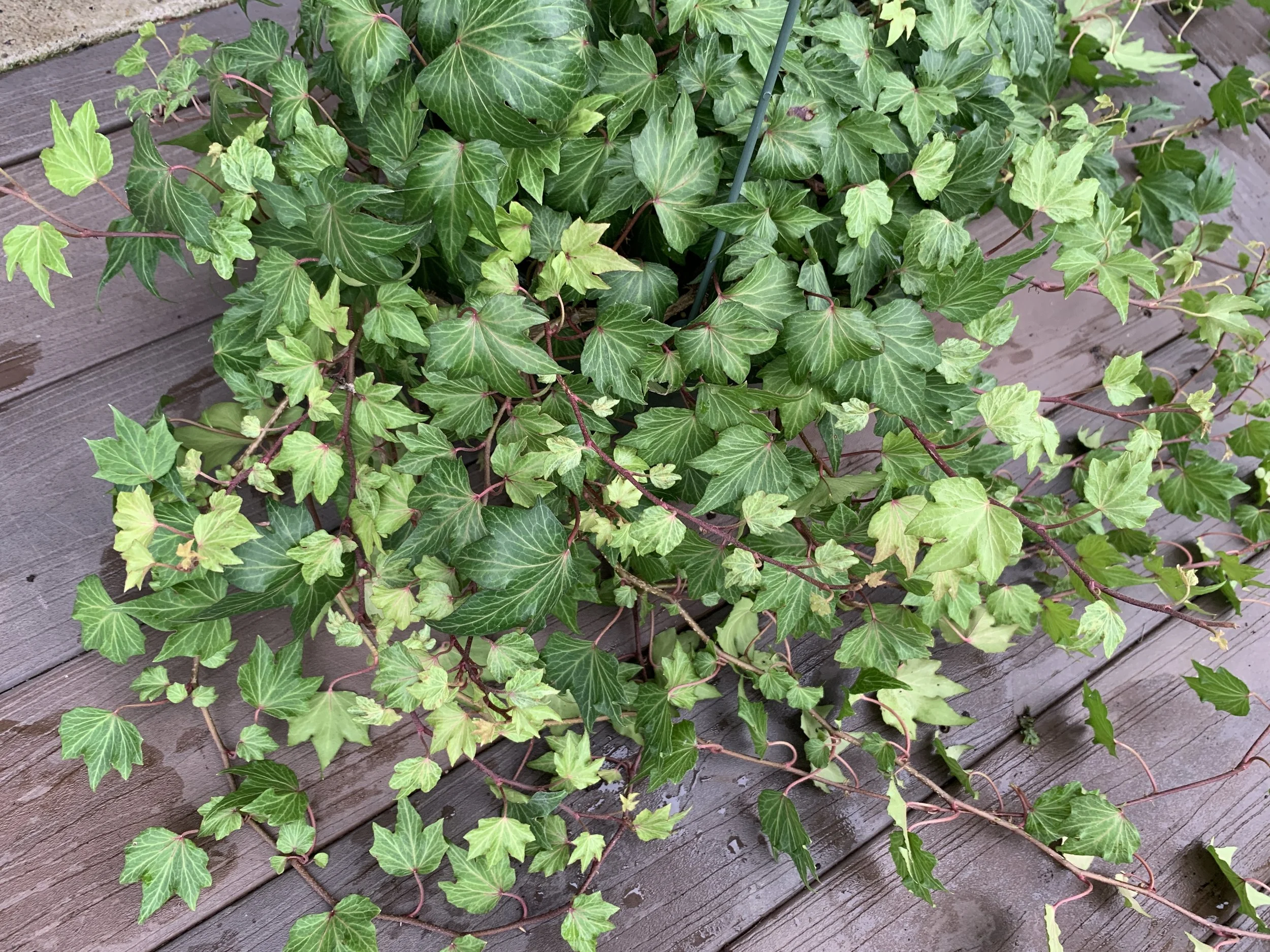 Image 1 of 9
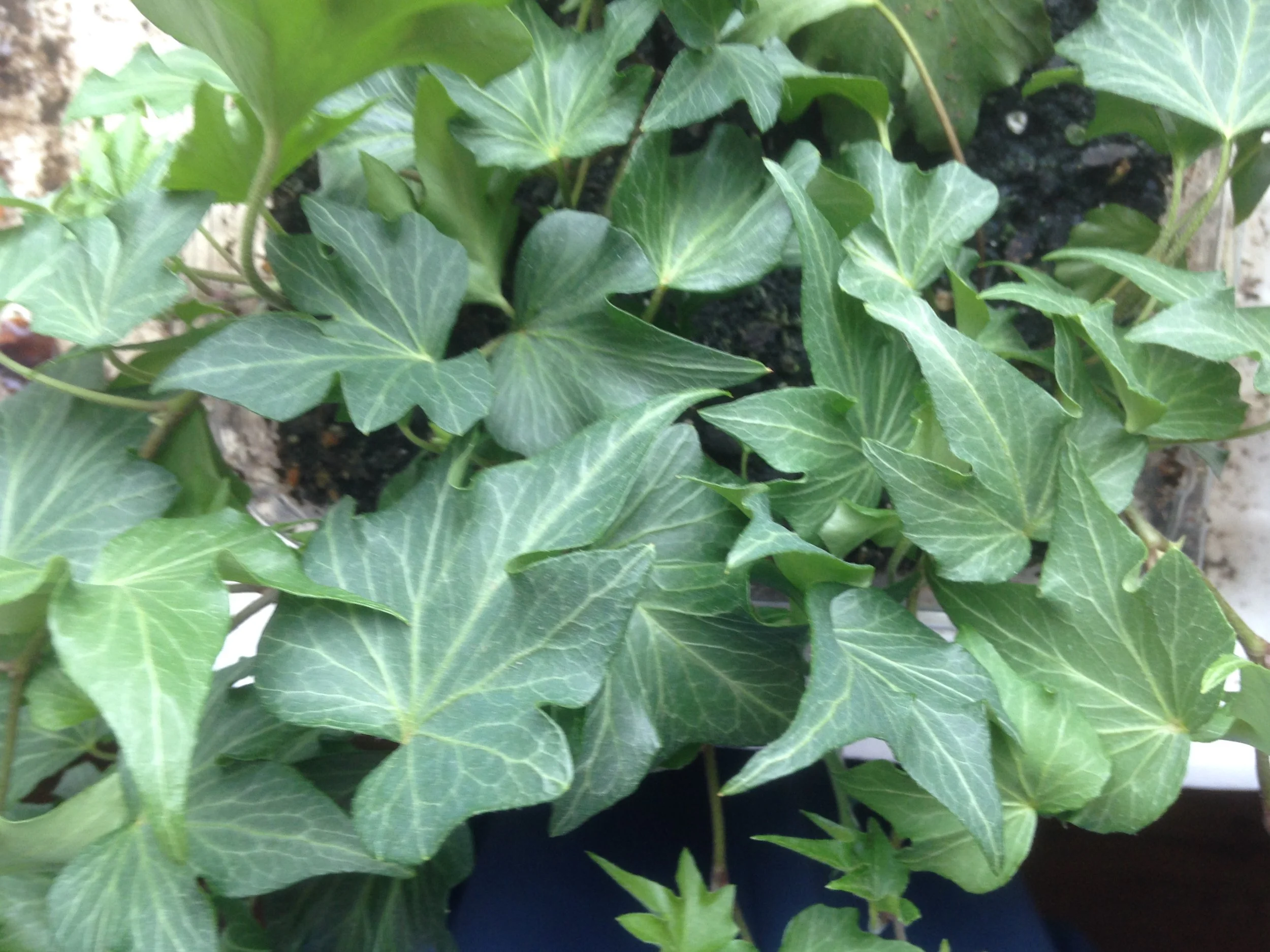 Image 2 of 9
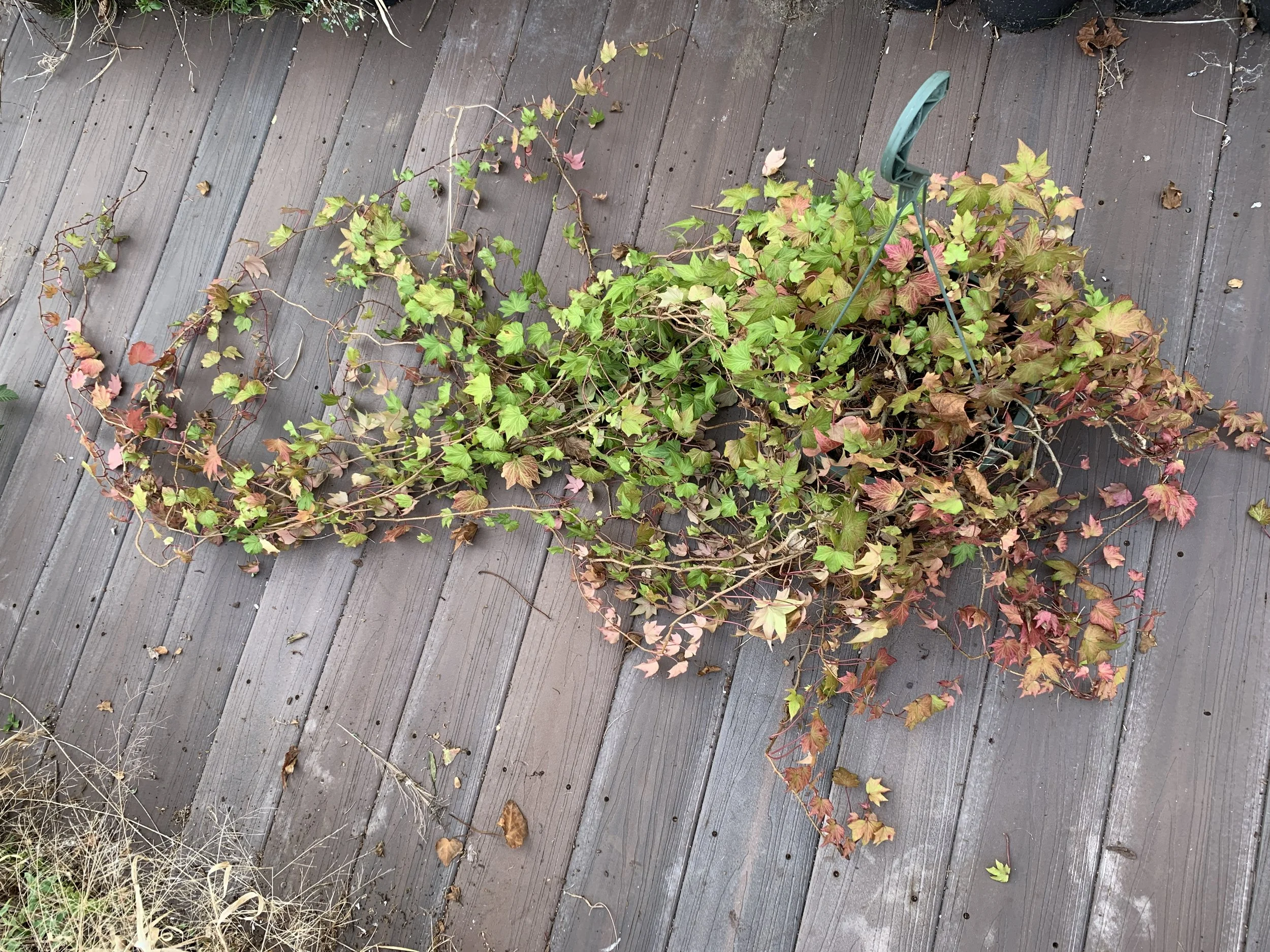 Image 3 of 9
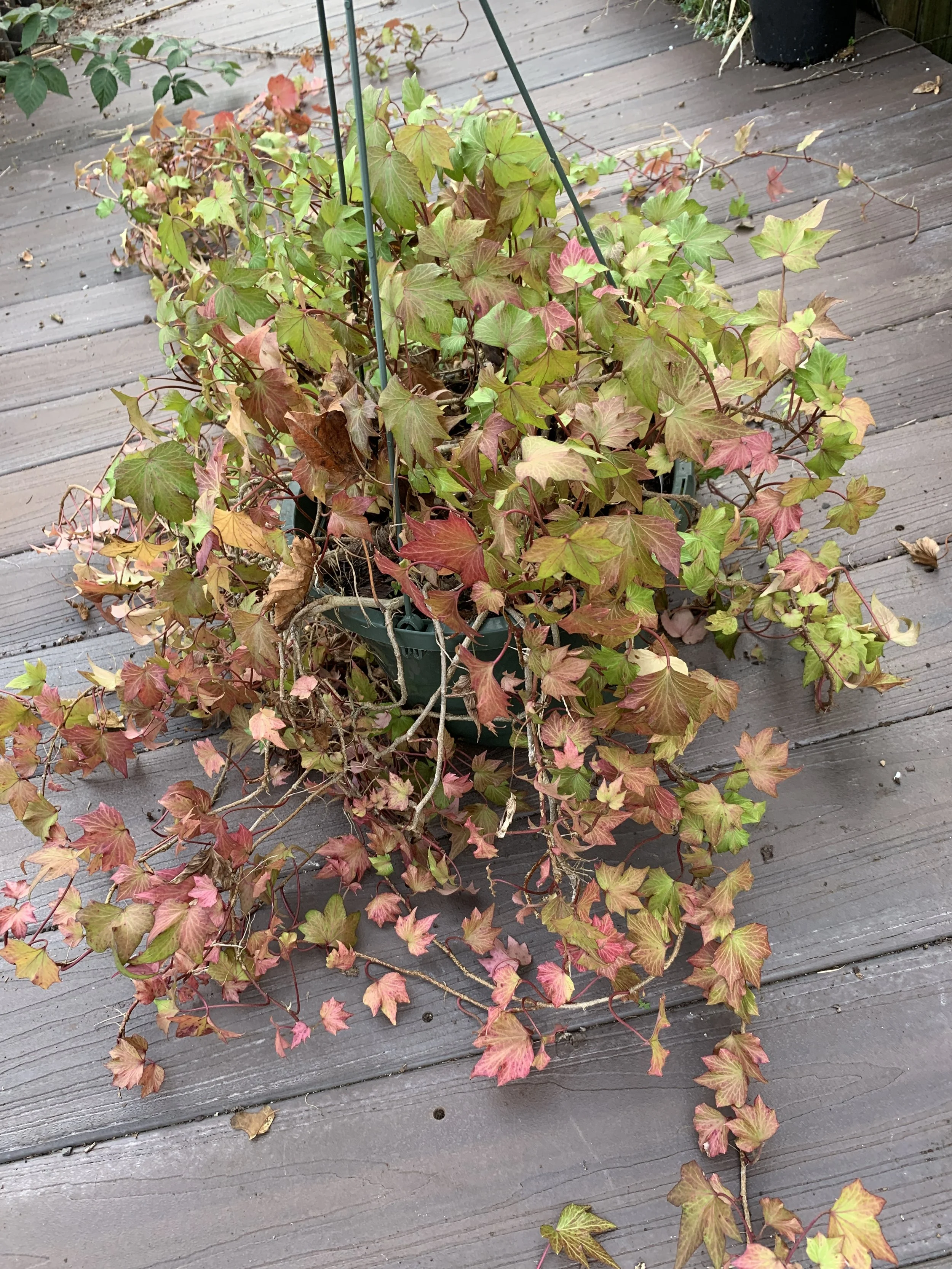 Image 4 of 9
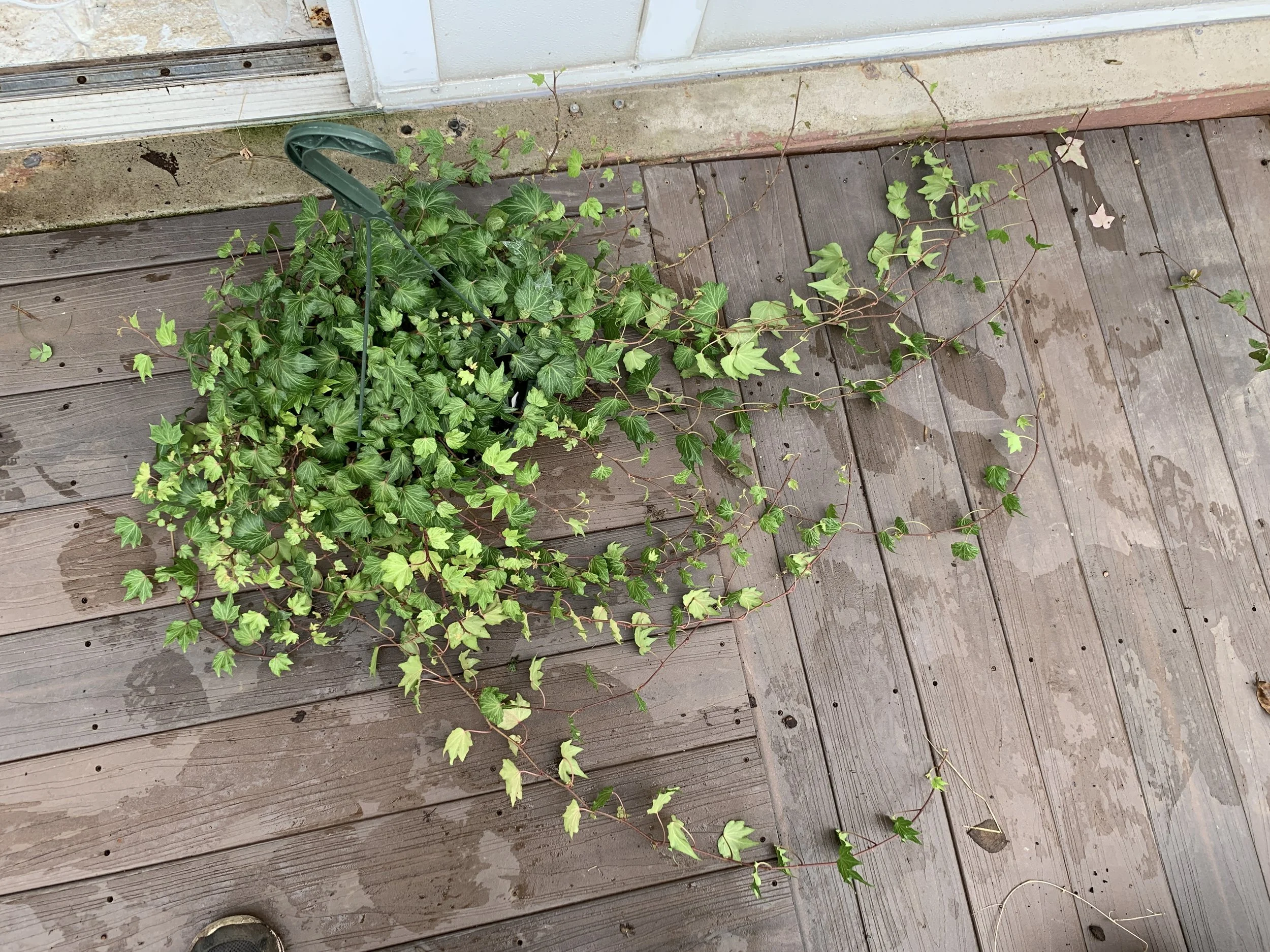 Image 5 of 9
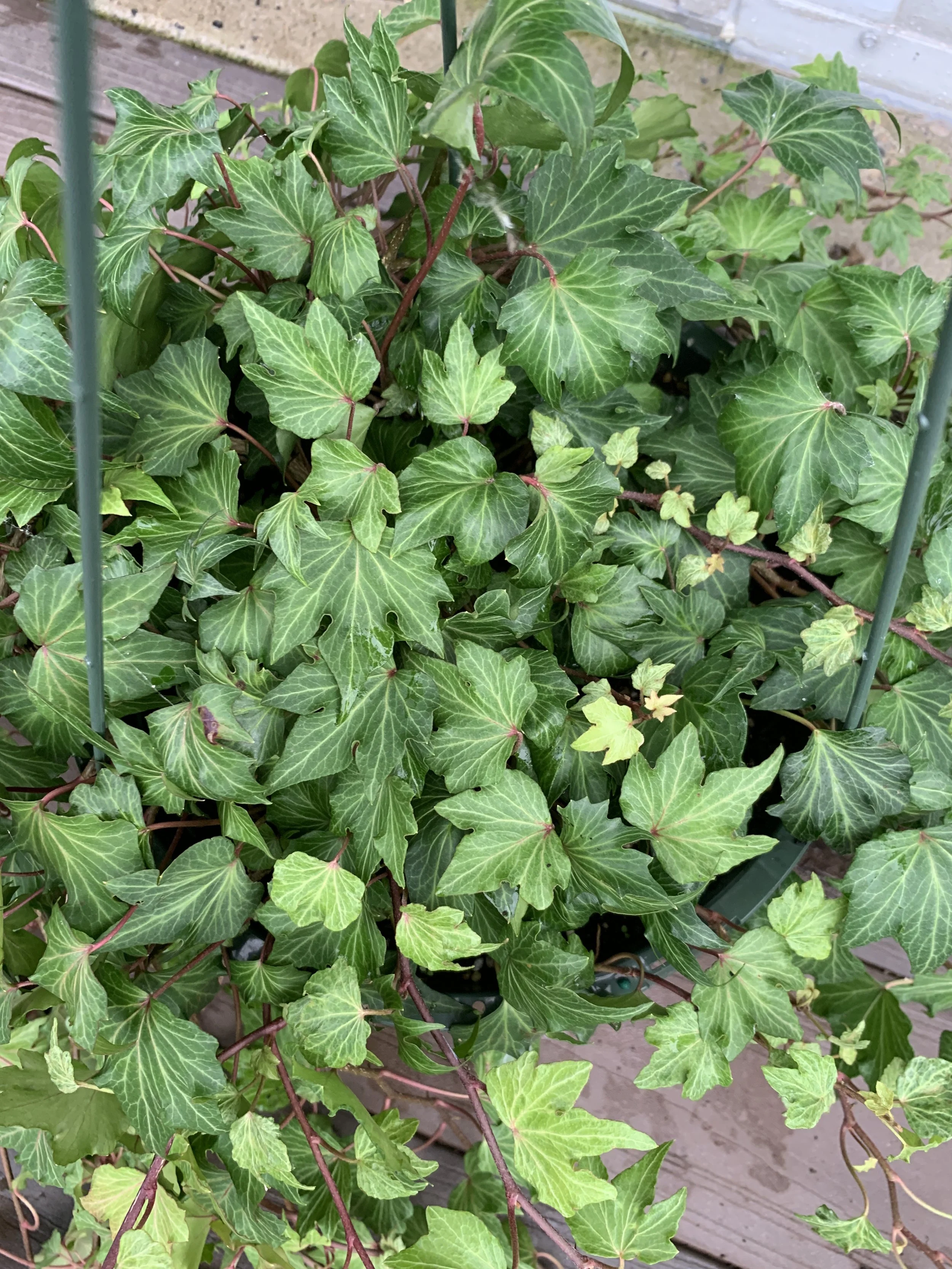 Image 6 of 9
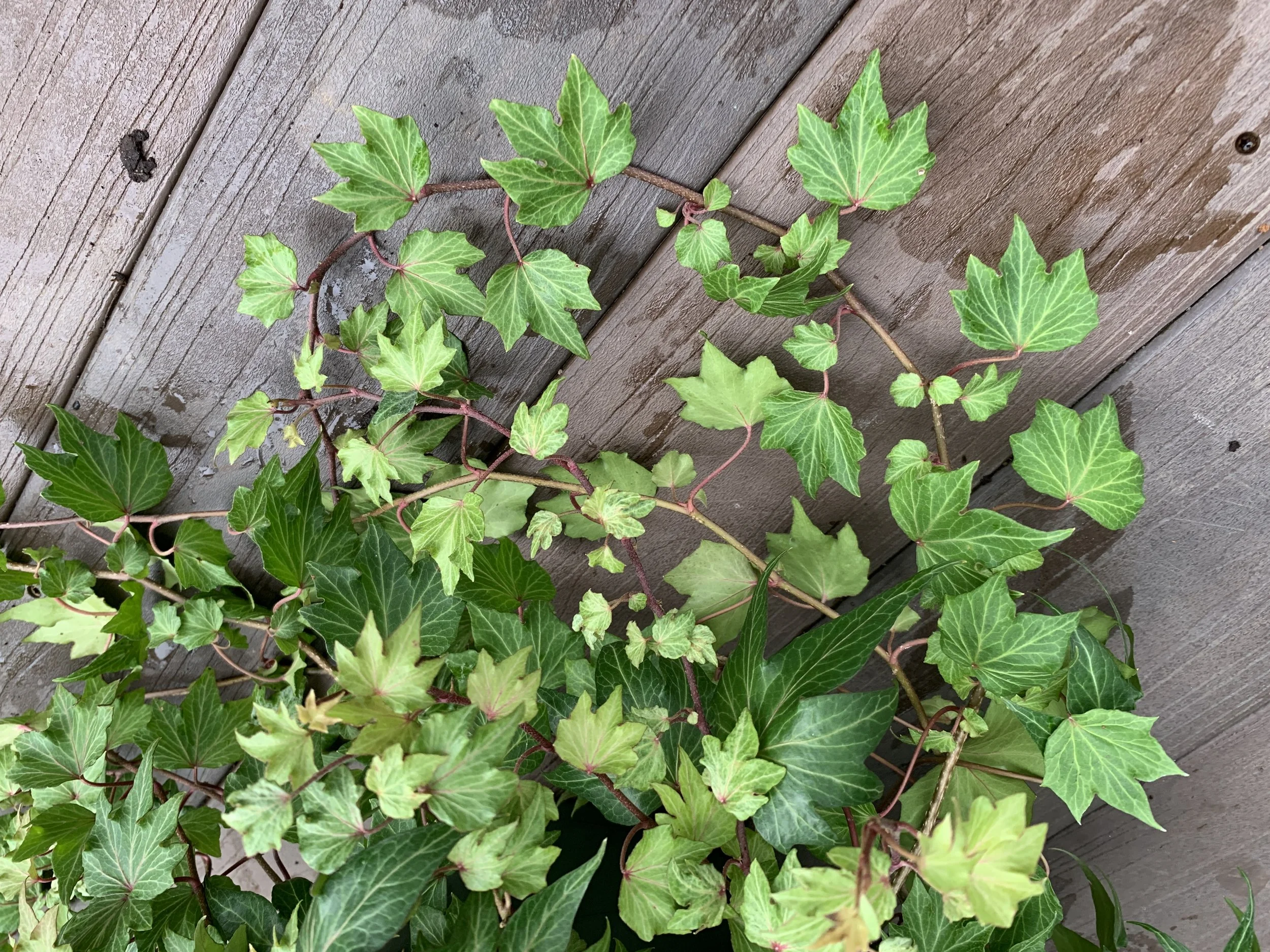 Image 7 of 9
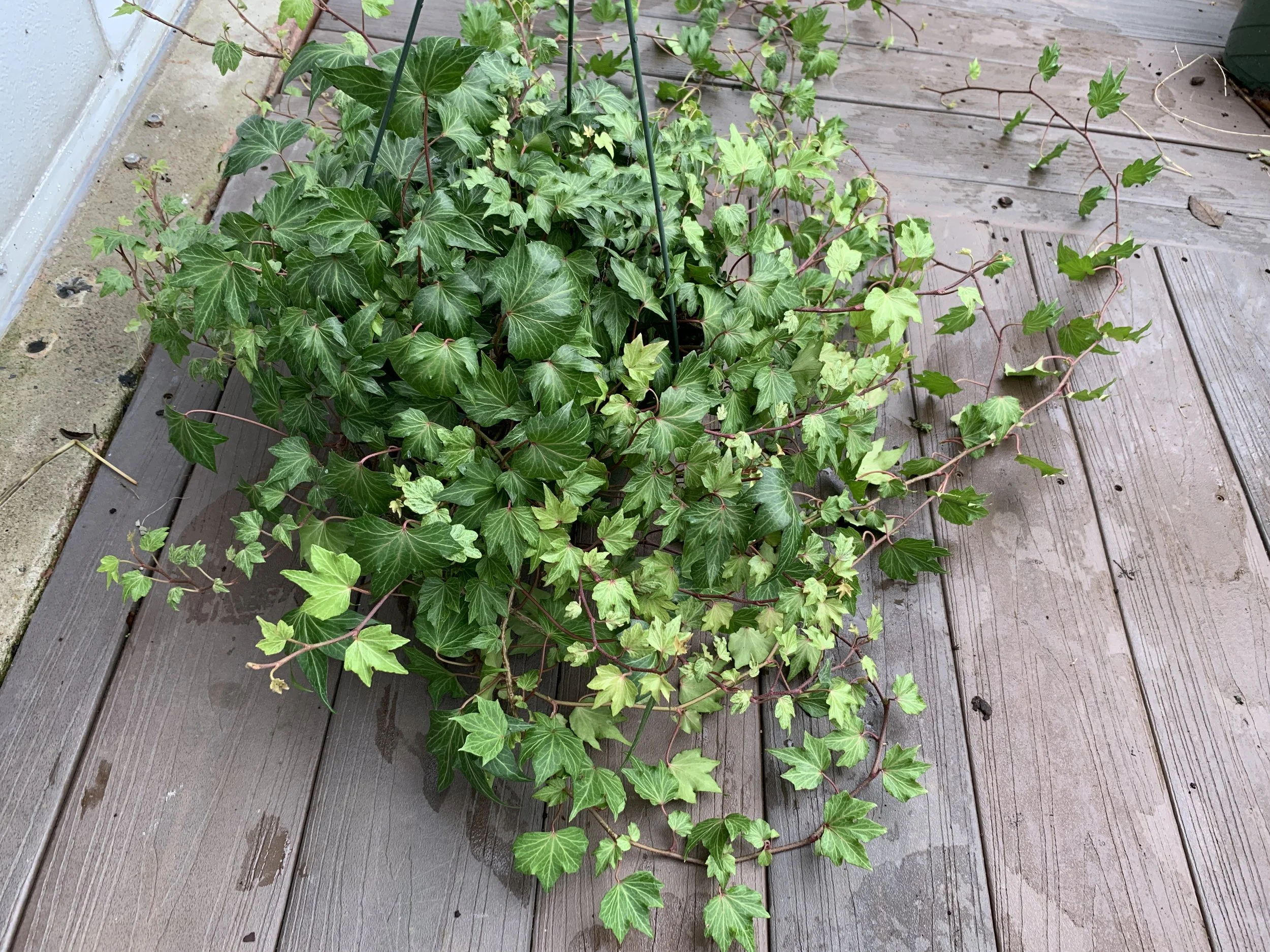 Image 8 of 9
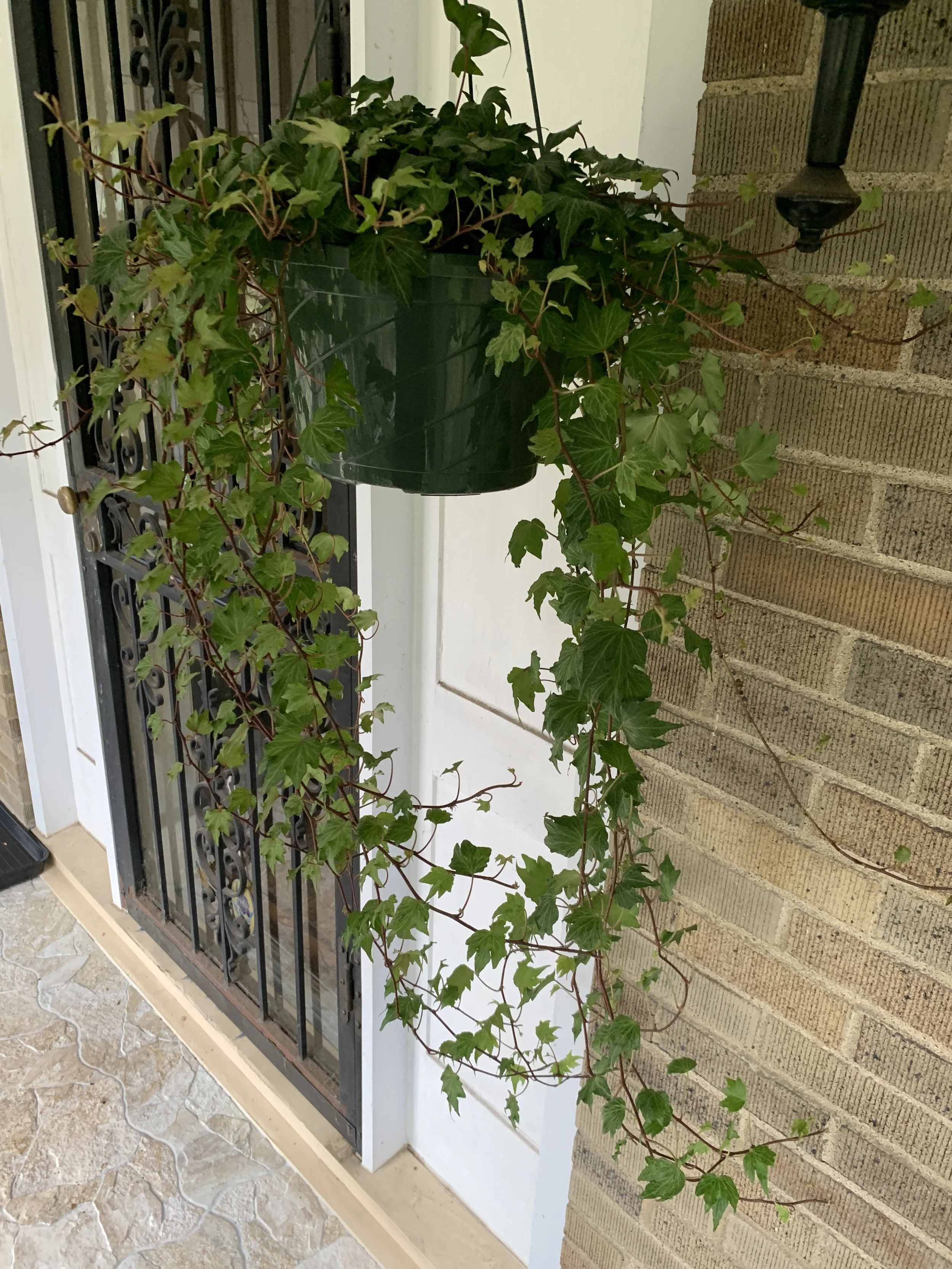 Image 9 of 9