Ficus carica 'O'Rourke' - Early Brown Sugar Fig - one of the most valuable figs of any released from the LSU fig breeding program - has been sometimes confused with the 'Improved Celeste' cultivar, which is a different selection from the same group of Improved Celeste hybrids
- large deciduous shrub or small tree - spreading habit, attractive foliage - large commonly 5-lobed leaves are palmate and hairy - inconspicuous green flowers turn into edible fruit - ripe fruit has bronze maroon to brown skin with amber to strawberry red flesh - fruit stalk is longer than most cultivars, and slender fruit hangs down when fully ripe - fruit has a brown sugar fig flavor profile - main fruit crop ripens in late summer or fall on new wood - in some areas, a lesser crop may appear in spring on new wood - this cultivar ripens in early season, the second earliest ripening category, still making it a good choice for short season climates - most cultivars develop fruit without cross-pollination - this excellent cultivar is well known for its production, growth habit, hardiness and disease resistance - stems die back to the ground in cold winters (zones 5-7), but can sprout from below ground to be a summer shrub - needs extra protection to grow in zone 5, or bring containers in for the winter - great in full sun to part shade - best in rich, moist, well-drained soils - generally grows 10-15 ft tall by 9-12 ft wide... or to 3-4 ft tall in cold climates where it dies back - grows in zones 7-10, maybe 6; stems are hardy to zone 8, and roots are hardy to zone 5
- ships bareroot, wrapped in a soil-less medium to keep the roots damp - ships in cool spring, fall, or winter seasons; not during summer
Ficus carica 'O'Rourke' - Early Brown Sugar Fig - one of the most valuable figs of any released from the LSU fig breeding program - has been sometimes confused with the 'Improved Celeste' cultivar, which is a different selection from the same group of Improved Celeste hybrids
- large deciduous shrub or small tree - spreading habit, attractive foliage - large commonly 5-lobed leaves are palmate and hairy - inconspicuous green flowers turn into edible fruit - ripe fruit has bronze maroon to brown skin with amber to strawberry red flesh - fruit stalk is longer than most cultivars, and slender fruit hangs down when fully ripe - fruit has a brown sugar fig flavor profile - main fruit crop ripens in late summer or fall on new wood - in some areas, a lesser crop may appear in spring on new wood - this cultivar ripens in early season, the second earliest ripening category, still making it a good choice for short season climates - most cultivars develop fruit without cross-pollination - this excellent cultivar is well known for its production, growth habit, hardiness and disease resistance - stems die back to the ground in cold winters (zones 5-7), but can sprout from below ground to be a summer shrub - needs extra protection to grow in zone 5, or bring containers in for the winter - great in full sun to part shade - best in rich, moist, well-drained soils - generally grows 10-15 ft tall by 9-12 ft wide... or to 3-4 ft tall in cold climates where it dies back - grows in zones 7-10, maybe 6; stems are hardy to zone 8, and roots are hardy to zone 5
- ships bareroot, wrapped in a soil-less medium to keep the roots damp - ships in cool spring, fall, or winter seasons; not during summer

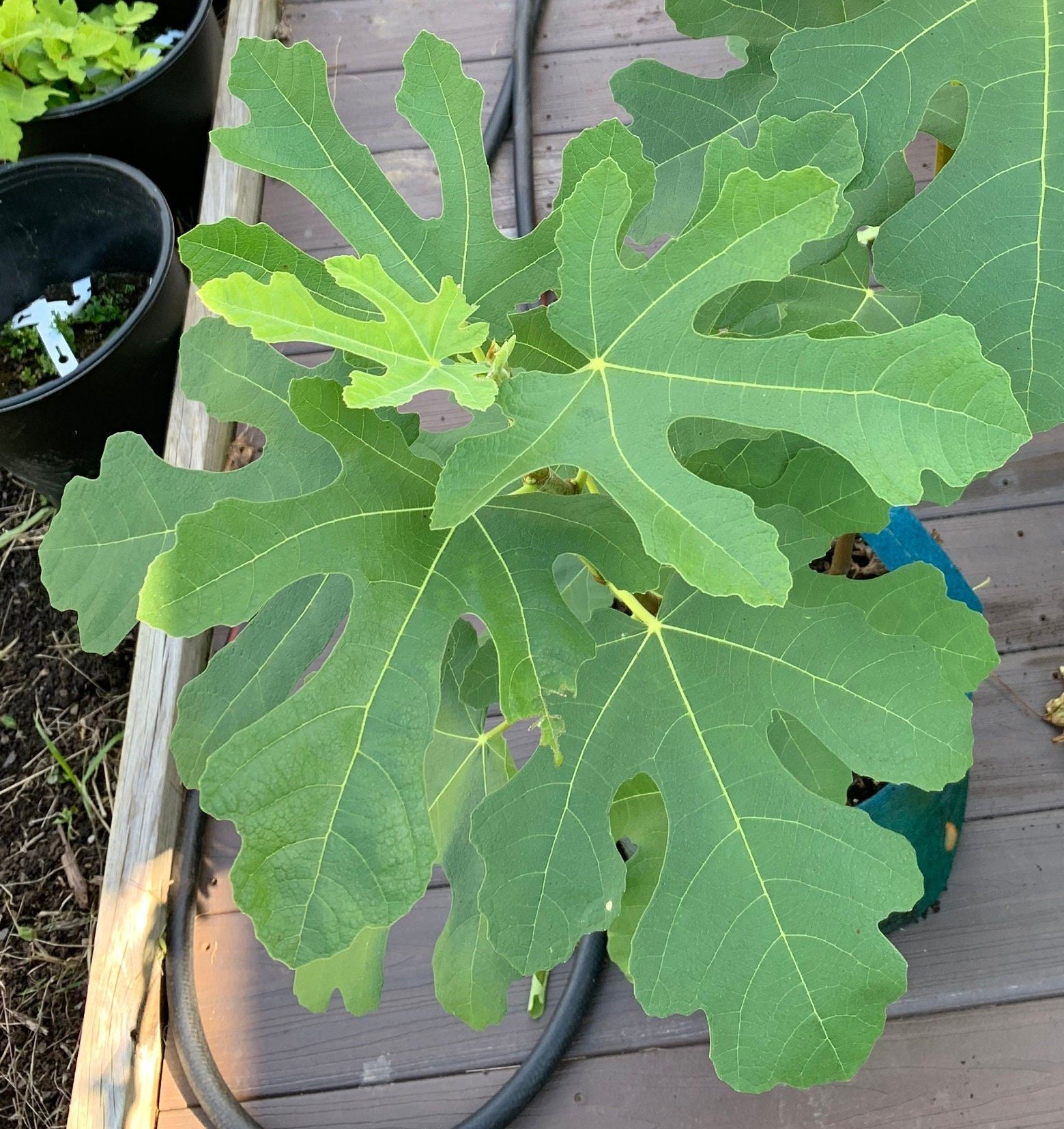 Image 1 of 4
 Image 2 of 4
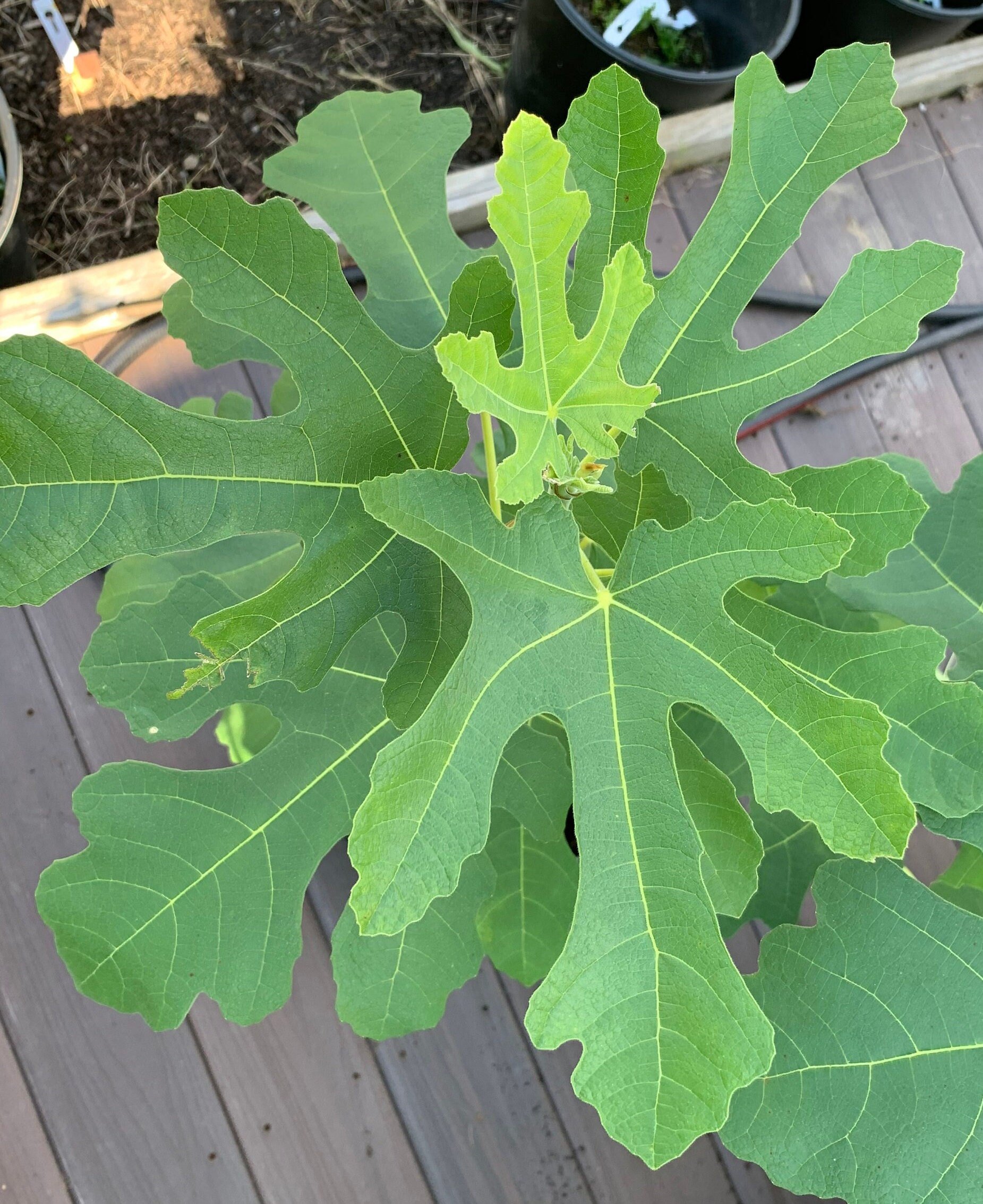 Image 3 of 4
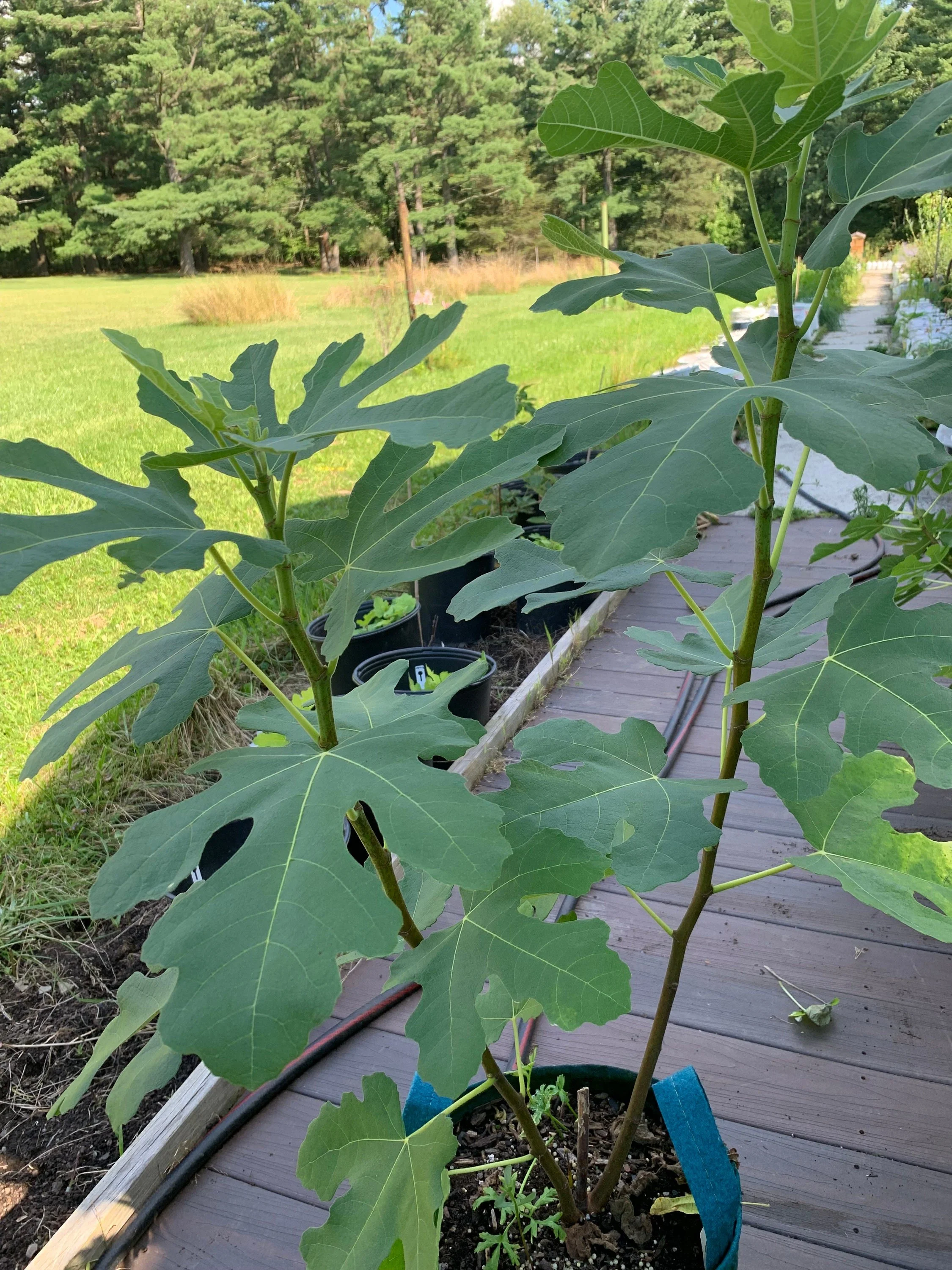 Image 4 of 4