- large deciduous shrub or small tree - spreading habit, attractive foliage - large lobed leaves are palmate and hairy - inconspicuous green flowers turn into edible fruit - large ripe fruit has bright yellow skin with deep pink flesh that is exceptionally sweet - this cultivar ripens earlier than Chicago Hardy - Thomas Jefferson considered this cultivar "unquestionably superior" to all other figs - main fruit crop ripens in late summer or fall on new wood - in some areas, a lesser crop may appear in spring on new wood - this very early season cultivar is among the earliest figs to produce, making it a better choice for short season climates - most cultivars develop fruit without cross-pollination - stems die back to the ground in cold winters (zones 5-7), but can sprout from below ground to be a summer shrub - needs extra protection to grow in zone 5, or bring containers in for the winter - great in full sun to part shade, but need at least 8 hours of sun daily to produce well - best in rich, moist, well-drained soils - generally grows 10-15 ft tall ... or to 3-4 ft tall in cold climates where it dies back - grows in zones 6-10; stems are hardy to zone 8, and roots are hardy to zone 5
- ships bareroot, wrapped in a soil-less medium to keep the roots damp - ships in cool spring, fall, or winter seasons; not during summer
Ficus carica 'Marseilles' - Early Edible Fig
- large deciduous shrub or small tree - spreading habit, attractive foliage - large lobed leaves are palmate and hairy - inconspicuous green flowers turn into edible fruit - large ripe fruit has bright yellow skin with deep pink flesh that is exceptionally sweet - this cultivar ripens earlier than Chicago Hardy - Thomas Jefferson considered this cultivar "unquestionably superior" to all other figs - main fruit crop ripens in late summer or fall on new wood - in some areas, a lesser crop may appear in spring on new wood - this very early season cultivar is among the earliest figs to produce, making it a better choice for short season climates - most cultivars develop fruit without cross-pollination - stems die back to the ground in cold winters (zones 5-7), but can sprout from below ground to be a summer shrub - needs extra protection to grow in zone 5, or bring containers in for the winter - great in full sun to part shade, but need at least 8 hours of sun daily to produce well - best in rich, moist, well-drained soils - generally grows 10-15 ft tall ... or to 3-4 ft tall in cold climates where it dies back - grows in zones 6-10; stems are hardy to zone 8, and roots are hardy to zone 5
- ships bareroot, wrapped in a soil-less medium to keep the roots damp - ships in cool spring, fall, or winter seasons; not during summer

 Image 1 of 5
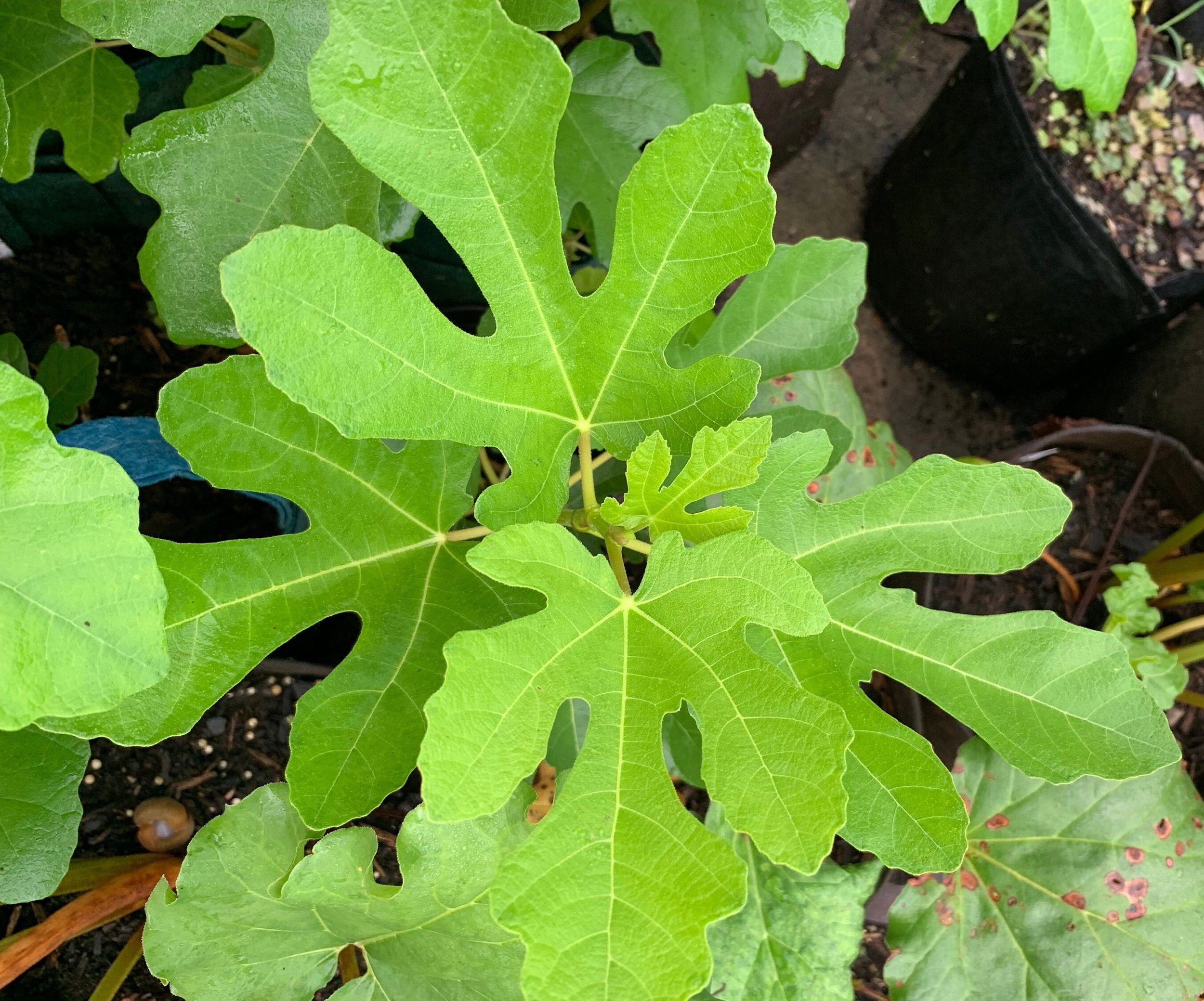 Image 2 of 5
 Image 3 of 5
 Image 4 of 5
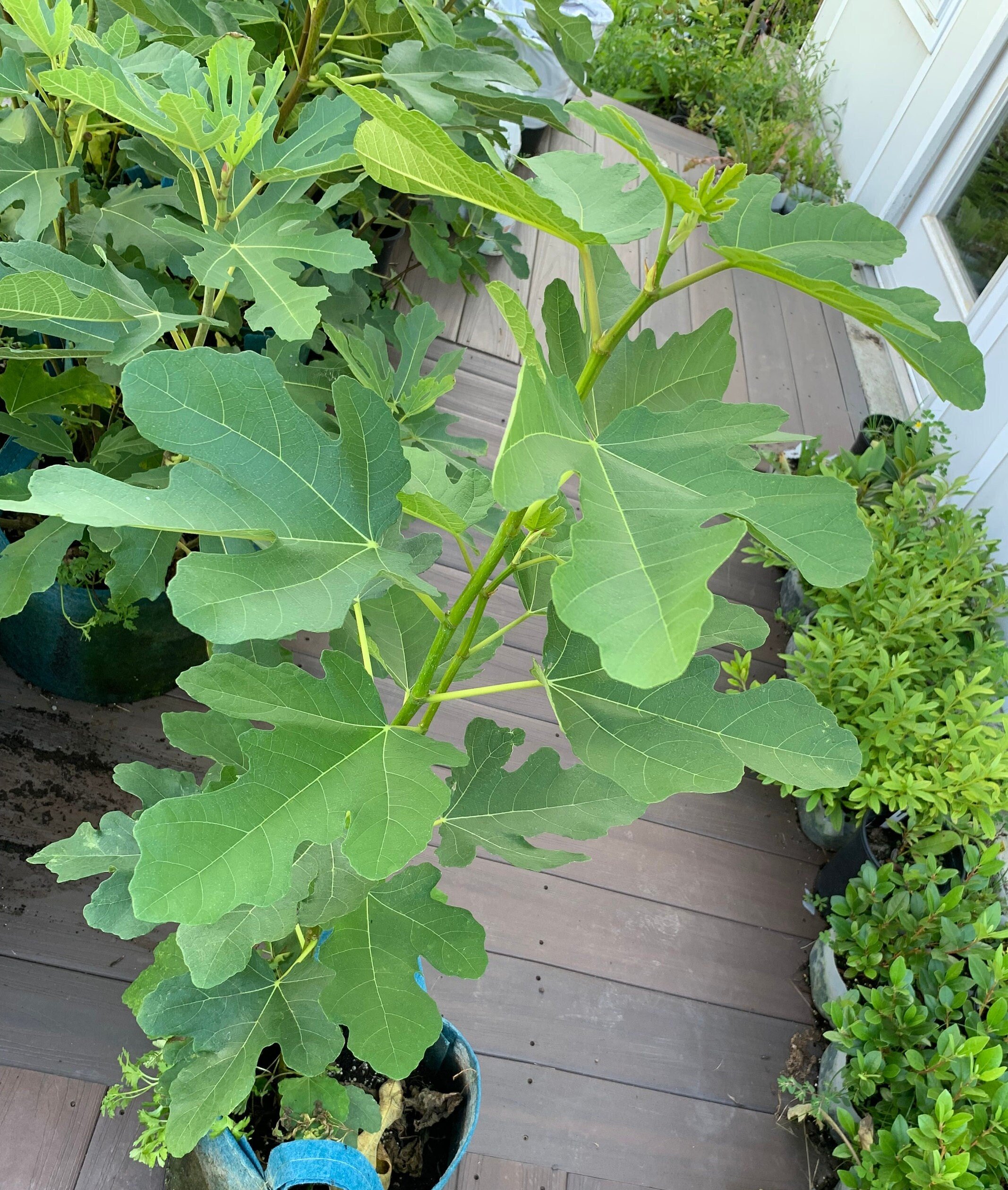 Image 5 of 5